I still remember the first time I heard the term “sub-ohm.” I was holding a standard pod system that produced very little flavor. Next to me, a friend blew out a massive, thick cloud of vapor. I was both jealous and curious.
For many people who are used to portable pod systems, the world of sub-ohm devices looks like a complex space filled with hardcore physics data. But after I bought my first high-power device and tested it for a few months, I realized it is not complicated at all.
What Does “Sub-Ohm” Mean?
If we break down the word, “sub” means “below,” and “ohm” is the standard unit of electrical resistance. Simply put, sub-ohm vaping means your electronic cigarette uses a heating coil with a resistance lower than 1.0 ohm (Ω). [quora]
In standard starter kits or pod systems, the coil resistance usually sits between 1.0 and 2.0 ohms. Manufacturers design them this way to simulate the tight draw of a traditional cigarette and to save battery life. [reddit]
However, once your coil resistance drops below the 1.0-ohm threshold (like the common 0.5 Ω, 0.2 Ω, or even 0.15 Ω coils on the market), you officially enter sub-ohm territory. This is not just a small change in numbers. A lower resistance brings three direct results:
- Stronger electric current
- Higher operating temperatures
- A different vaping experience
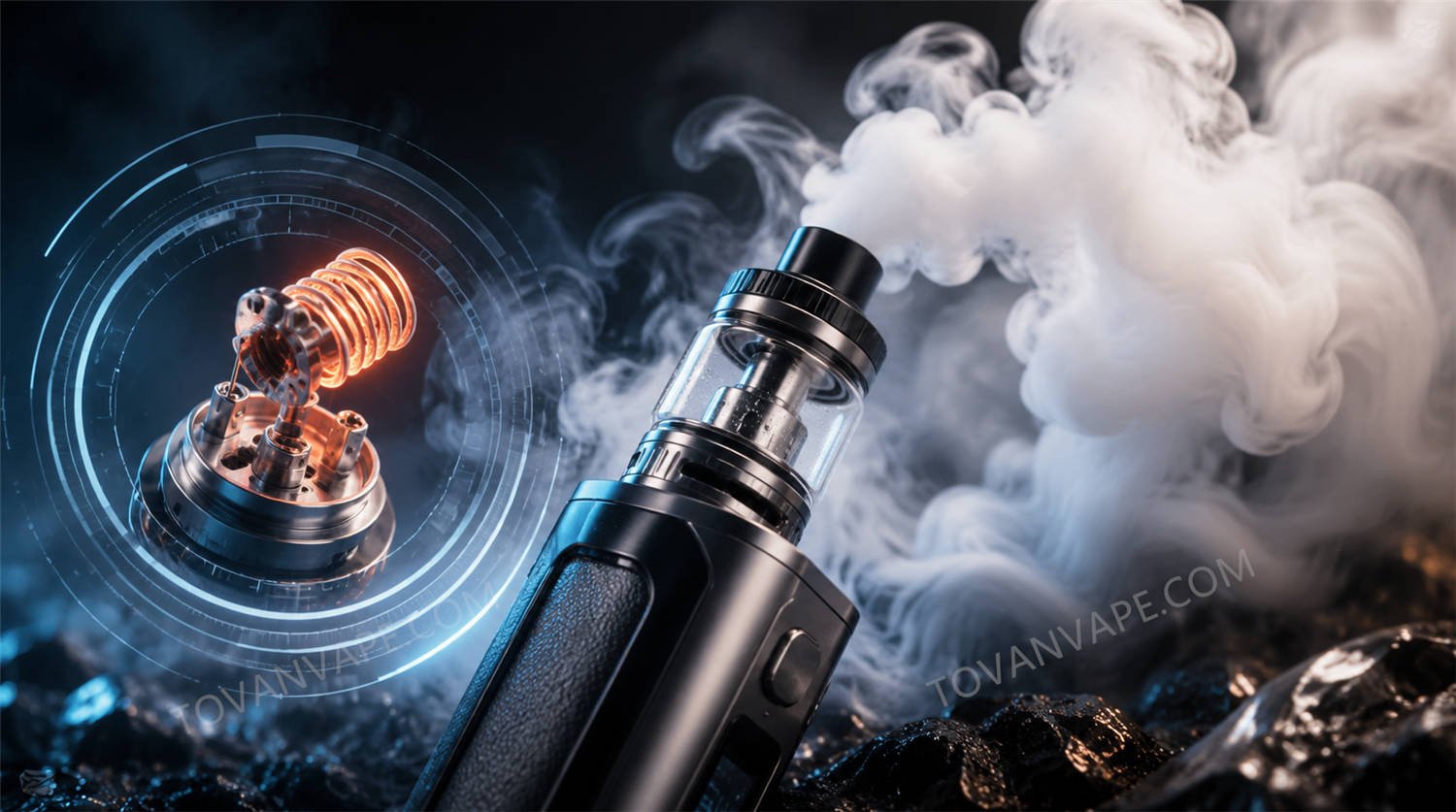
The Shift: From “Quitting Smoking” to “Cloud Chasing”
If we look back at the early days of vaping, the first devices had one simple mission: to replace cigarettes. Their design focused on delivering a tight Mouth-to-Lung (MTL) draw. They paired this tight draw with high-nicotine liquids to satisfy cravings in the most direct way possible.
However, vape technology improved quickly, and the user base grew. Many users wanted more than just basic nicotine delivery. They started looking for:
- Richer flavor profiles
- A stronger throat hit
- Massive vapor production
This demand created a new vaping culture known as “Cloud Chasing.” Brands created sub-ohm devices specifically to meet this demand for huge clouds and intense flavor. These devices transformed the e-cigarette from a simple smoking alternative into a customizable piece of hardware.
So, how does this high-performance machine work? And how does the actual experience differ from the small portable vape in your pocket?
Why Do Lower Resistances Produce Bigger Clouds?
To understand the secret behind massive vapor production, we need to look at basic physics. We also need to see how modern vape hardware pushes these physical rules to the maximum limit.
1. The Simple Magic of Ohm’s Law
In school, physics classes always gave me a headache. I only truly understood Ohm’s Law when I started vaping. The logic is actually very simple: pure power delivers extreme results.
The lower the resistance, the more electrical current flows through your heating wire. I still remember the first time I pushed a 0.15-ohm mesh coil to 80W. The powerful current vaporized the e-liquid. It made a loud, aggressive sizzling sound right near my mouth. It sounded both satisfying and a bit intimidating. This explosive reaction is different from the slow, mild heating of a standard pod vape.
Here is how the science works: If the voltage (V) stays stable, a lower coil resistance (R) forces the current (I) to multiply. This results in a very high power output (P). When this massive current passes through a low-resistance wire, it creates extreme heat in milliseconds. This rapid heat boils the e-liquid soaked in the cotton.
In short: Lower resistance = Higher current = Intense heat = Massive vapor clouds. [vaporesso]
2. The Synergy Between Wattage and Batteries
A low-resistance coil requires a massive amount of current to run. The small, low-drain built-in batteries found in standard pod systems simply cannot handle this load. It is like trying to power a heavy transport truck with a small car engine.
To drive sub-ohm coils safely and efficiently, your setup requires two specific hardware components:
- High-Wattage Mods: Sub-ohm devices usually require tens or even hundreds of watts to operate. The advanced internal chips in these mods provide this raw power. They also allow users to precisely adjust the wattage to find their perfect balance of flavor and vapor.
- High-Drain Batteries: These devices typically use removable, high-power batteries, such as 18650 or 21700 cells. Unlike standard household batteries, these cells have a high continuous discharge rate. They can output massive amounts of current while remaining stable. This crucial feature prevents the battery from overheating or causing safety hazards.
3. Coil Structure Evolution: Surface Area is King
Relying purely on raw electrical power is not enough. Simply heating up a thick piece of wire will not give you smooth, dense clouds. The real secret to sub-ohm performance lies in physical coil evolution, specifically by increasing the heating surface area.
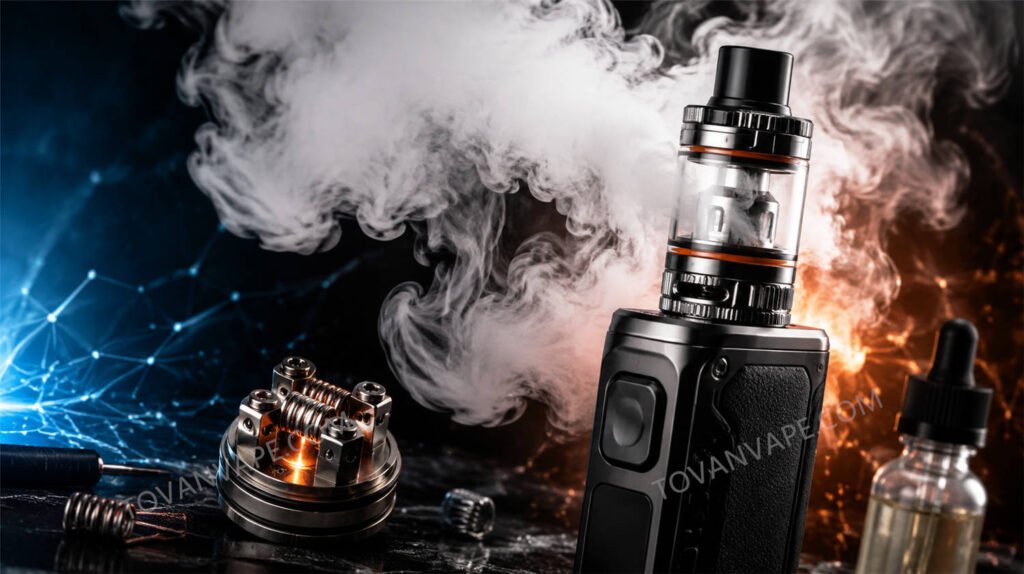
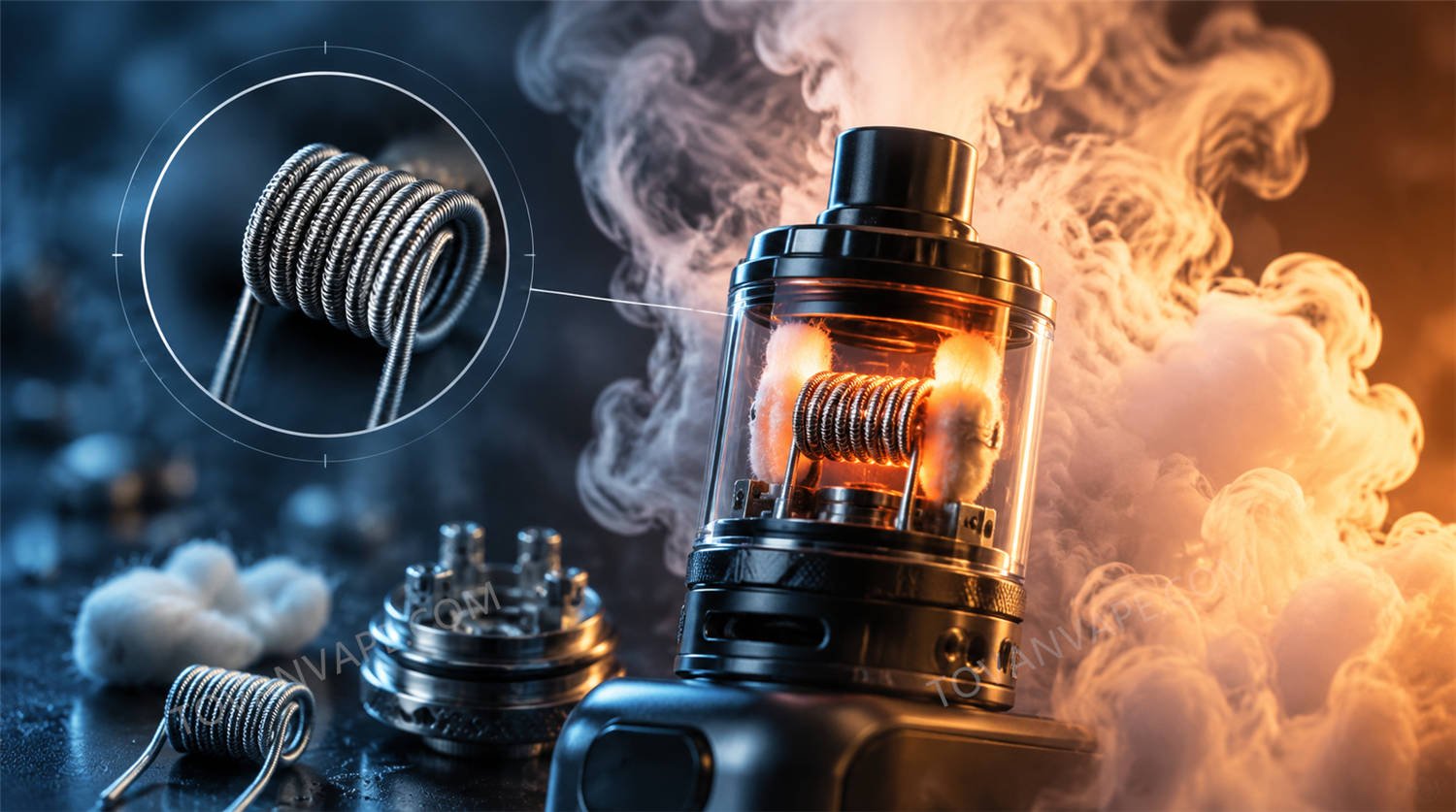
- Mesh Coils: This is the most popular structure in modern sub-ohm tanks. Instead of a traditional spring-like coiled wire, it uses a metal sheet that looks like a window screen. This design increases the contact area between the metal, the cotton, and the e-liquid. It heats up fast and evenly. This even heating prevents dry hits and delivers peak flavor and vapor production.
- Exotic Coils: In the DIY vaping community (users who build their own RDA or RTA atomizers), coil building is an art form. Builders create complex wires like Claptons or Aliens. They wrap multiple metal strands of different thicknesses together, much like a guitar string. This structure increases the surface area. More importantly, the tiny gaps between the wires act like a sponge to lock in extra e-liquid. When the current hits, this trapped e-liquid vaporizes, delivering deep layers of flavor and shocking amounts of vapor.
The Defining Features of Sub-Ohm Vaping
When your coil resistance drops below 1.0 ohm, you get more than just a simple “inhale and exhale.” It changes everything, from your daily vaping habits to your overall sensory experience. Sub-ohm vaping has very distinct, recognizable features.
1. A New Way to Inhale: From MTL to DTL
This is the most noticeable change for beginners who are trying sub-ohm devices for the first time.
- MTL (Mouth-to-Lung): Traditional cigarettes and most pod systems use this style. You draw the vapor into your mouth, hold it for a second, and then breathe it into your lungs. The airflow is tight, and the experience feels mild.
- DTL (Direct-to-Lung): Sub-ohm setups require DTL vaping. I have to share an embarrassing story from when I first started. Because I was so used to the MTL draw of my small pod vape, I tried to hold the massive sub-ohm vapor in my mouth. The sheer volume of vapor made me choke and tear up. An experienced vaper laughed and told me, “Treat it like taking a deep breath. Inhale it into your lungs.” When I followed his advice, the wide airflow and rich flavor filled my lungs. It felt like taking a huge gulp of ice-cold soda on a hot summer day—refreshing. This is the unique charm of DTL vaping.
2. The Visual and Flavor Impact
Sub-ohm vaping is popular in the vaping community, largely because it offers extreme sensory stimulation:
- Cloud Chasing (Massive Vapor): High wattage and low resistance work together to create stunningly thick clouds in seconds. For many enthusiasts, blowing full, fluffy clouds or practicing vape tricks is a relaxing and visually impressive form of entertainment.
- Peak Flavor Delivery: Compared to small pod systems, sub-ohm devices break down e-liquid flavors much more thoroughly. The higher heating temperature and massive vapor volume mean that more flavor molecules coat your taste buds with every hit. This makes the overall taste richer and heavier. It also highlights the complex layers of premium e-liquids, such as mixed desserts or multi-fruit blends.
3. Specific E-Liquid Requirements
You need the right fuel for a high-performance engine. Sub-ohm devices have strict e-liquid requirements. Mixing standard pod e-liquid into a sub-ohm tank will ruin your experience and can even cause leaks.
- High VG Ratio: E-liquid base consists of VG (Vegetable Glycerin) and PG (Propylene Glycol). VG produces the vapor and has a thick, sticky texture. PG carries the flavor, provides the throat hit, and is much thinner. To get the massive clouds that sub-ohm devices are known for, you must use a high VG e-liquid (usually 70% VG or higher). Additionally, sub-ohm coils have large wicking holes. The thick, viscous VG e-liquid prevents the liquid from flowing too fast, which stops annoying leaking issues.
- Low Nicotine Strength: This is an absolute safety and comfort rule. Because sub-ohm devices produce so much vapor, you inhale several times more volume per puff than you would with a small pod vape. If you use high-strength nicotine (like the 20mg–50mg nicotine salts common in pod systems) in a sub-ohm tank, your body will absorb too much nicotine. This causes severe “nic-sick” reactions, such as a racing heart, dizziness, and nausea. Therefore, sub-ohm vapers almost exclusively use low-strength freebase nicotine (usually 3mg or 6mg), or even 0mg (nicotine-free) e-liquid. This ensures a smooth, scratch-free throat hit while you enjoy the huge clouds.
A Deep Dive into the Pros and Cons
Everything has two sides. Sub-ohm vaping breaks the rules and delivers extreme sensory enjoyment, but it also comes with compromises you cannot ignore. Before you decide to upgrade your small pod vape into a high-performance machine, you need to look at its pros and cons objectively.
The Pros: Why We Love It
- Unmatched Flavor Delivery and Richness: Because of the massive heating surface area and high evaporation rate, sub-ohm devices release every single flavor molecule from your e-liquid. Compared to the somewhat thin taste of standard pod systems, sub-ohm tanks deliver a full, layered flavor. You can taste the front, middle, and back notes of a complex e-liquid blend. [tablites]
- Massive, Satisfying Clouds: Whether you want maximum visual impact or want to practice vape tricks, the dense vapor from a sub-ohm device will meet your needs. Standard devices cannot match the satisfying feeling of blowing huge clouds.
- Extreme Customization and Playability: These devices usually feature smart chips. They allow you to freely adjust the power (wattage), and some high-end mods even support Temperature Control (TC) and customized power curves. For advanced users who like hands-on projects, you can pair the mod with an RTA (Rebuildable Tank Atomizer) or RDA (Rebuildable Dripping Atomizer). You can buy different heating wires, build your own coils, and insert the cotton yourself. This allows you to customize every single puff to your exact preference.
The Cons: Things to Consider
- High E-Liquid Consumption: Calling these devices “e-liquid hogs” is not an exaggeration. I learned this lesson the hard way—through my wallet. When I used pod systems, a 30ml bottle of e-liquid could last me almost a month. But when I switched to a sub-ohm setup, I watched the liquid level drop like water. My monthly e-liquid expenses increased.
- Constant Maintenance Costs: The combination of high temperatures and high-VG e-liquids (which often contain a lot of sweeteners) causes coils to build up carbon residue quickly. This means you have to buy and replace pre-built coils much more frequently. If you are a DIY user, you must regularly take the atomizer apart, clean the wires, and change the cotton. This adds up in both time and money.
- Poor Portability: To fit high-drain batteries and complex circuit boards, and to support a large tank, sub-ohm devices are bulky and heavy. You cannot slip one into a shirt pocket like a small pod vape. Honestly, carrying one outside feels like carrying a metal brick. In the summer, the weight of the mod can literally pull your shorts down. Because of this, I prefer taking a small pod system when I go out shopping, and I only use my big sub-ohm device when sitting at my computer desk.
- A Noticeable Learning Curve: Small pod systems are easy to use—you just pick them up and inhale. Sub-ohm devices, however, require you to learn some basic knowledge. For example, if you set the wattage too high, you will burn the cotton, resulting in a horrible burnt taste (dry hit). If the wattage is too low, or if you do not adjust the airflow properly, the e-liquid will not vaporize fully. This leads to leaking or spitting hot e-liquid into your mouth. Bad operating habits can ruin what should be a great experience.
Essential Safety Guide and Beginner Tips
Stepping into the world of sub-ohm vaping means you are handling several times the electrical power of a standard pod system. Here, “safety first” is not just an empty slogan. Mastering these core safety rules and usage tips will help you enjoy massive clouds while avoiding the most common beginner traps.
1.Battery Safety: Never Ignore the Heart of Your Device
Sub-ohm devices require a massive amount of instant current. This places strict demands on your batteries.
- Check the Continuous Discharge Rating (CDR): When buying power cells (like 18650 batteries), capacity (mAh) is not the only thing that matters. You must pay attention to the CDR, which is measured in Amps (A). If your sub-ohm setup needs to pull 25A of current, but your battery’s CDR is only 10A, the battery will severely overload. This leads to extreme heat and even a risk of venting or explosion. Always ensure your battery’s discharge rating matches your device’s power output.
- Reject Damaged Wraps and Cheap Batteries: The thin plastic layer on the outside of the battery (the wrap) is a vital defense line against short circuits. If you see any tears in the wrap and the bare metal body is exposed, stop using it. You must rewrap it or dispose of it safely. Also, never buy cheap, unbranded batteries to save money. Always buy authentic batteries from reputable brands through trusted stores.
2.Priming the Coil: How to Avoid Horrible Dry Hits
This is a mistake almost every beginner makes: you install a new coil, fill the tank with e-liquid, and press the fire button. Then, you inhale a sharply harsh, burning taste. This is the dreaded “Dry Hit,” and it ruins your brand-new coil.
To prevent this, you must learn how to “prime” your coil:
- Why Do We Need to Wait? I paid real money to learn this lesson. When I first started cloud chasing, I was impatient. I filled the tank with a new coil and fired the device. The result? A disgusting taste like burning old newspaper shot straight to my throat. That sick dry hit taste stayed in my mouth for hours, and my new coil went straight into the trash. Now, I have learned my lesson. Because high-VG sub-ohm e-liquid is very thick, I always drip a few drops of e-liquid onto the new coil. Then, no matter how much I want to vape, I stare at my watch and wait a full 10 minutes. I never take chances anymore.
- The Correct Steps: Before installing a new pre-built coil, drip a few drops of e-liquid onto the exposed cotton through the side holes and down the center mesh. Let the cotton absorb the liquid first. Install the coil, fill the tank, and let it sit for at least 5 to 10 minutes.
- Step Up the Wattage Slowly: When taking your first puff, do not jump straight to the maximum recommended wattage. If the coil says 60W, start at 40W. Take a few puffs and gradually increase the power. This gives the coil a gentle break-in period.
3.Daily Maintenance: Good Habits for a Longer Lifespan
Expensive devices need proper care. Good usage habits will extend the life of your mod and your tanks.
- Keep Connection Points Clean: The connection point between the bottom of your tank and the top of your mod (usually the 510 connection) can collect condensation or leaked e-liquid. This causes poor electrical contact, jumping coil resistance, or even short circuits. Regularly wipe this area dry with a tissue or a cotton swab (you can use a tiny amount of rubbing alcohol).
- Prevent Device Overheating: Sub-ohm devices generate a lot of heat. “Chain vaping” (taking puff after puff without stopping) will make your tank and mod uncomfortably hot. When you feel the device getting too warm, set it down and let it cool off. Also, never leave your device in a hot car during the summer. The heat can cause battery failure, and the high temperature makes the e-liquid very thin, causing severe leaking.
- Always Lock or Turn Off the Device: When you are not using the device, especially before putting it in your pocket or backpack, click the fire button 5 times to turn it off (or use the physical lock switch if it has one). This prevents the device from firing accidentally in your bag, which would burn your coil or create a serious fire hazard.
Is Sub-Ohm Vaping Right for You?
After understanding the hardcore principles, pros and cons, and safety rules of sub-ohm vaping, we return to the original question: Is this high-performance machine right for you?
- Identify Your Core Needs: Who Is It For?
In the vaping world, there is no absolute “good” or “bad.” There is only “suitable” and “unsuitable.”
- The Playground for Advanced Vapers: If you are tired of the weak flavor of small pod systems and want a rich, full-bodied taste; or if you enjoy the strong visual impact of blowing massive clouds; and if you do not mind spending time maintaining your device and exploring different power settings, then a sub-ohm setup will open a whole new door for you.
- Not the Best Choice for Simple Nicotine Delivery: On the other hand, if your only goal is to quit smoking low-key, get a quick nicotine fix in public without drawing attention, and enjoy a simple, user-friendly experience, then traditional pod systems are your best choice. You do not have to worry about battery safety, leaking, or coil lifespan. In this case, the massive clouds and daily maintenance of a sub-ohm device will quickly become a heavy burden.
- Honest Advice for Beginners: Take It Step by Step
If you weigh your options and decide to step into the world of sub-ohm clouds, please take it slow and steady.
- Start with a Pre-Built Sub-Ohm Tank: Looking back at my years of vaping trial and error, my biggest piece of advice for upgrading from a pod system is this: do not blindly follow the trend and buy a DIY atomizer that requires tweezers, wire wrapping, and cotton wicking right from the start. Just buy a standard Sub-Ohm Tank that uses pre-built mesh coils. The manufacturers have already optimized the resistance and coil structure for you. You just need to learn how to fill the e-liquid and wait for it to prime. You will experience top-tier flavor and huge clouds with zero learning curve. Wait until you have strict demands for flavor before trying advanced gear. Avoiding unnecessary trouble is the best way to start enjoying your vape.
- Do Not Rush the Advanced Path: Wait until you understand how to operate a pre-built sub-ohm tank, how to handle batteries safely, and how high-VG e-liquid works. Only then should you consider buying more advanced gear like an RTA (Rebuildable Tank Atomizer) or RDA (Rebuildable Dripping Atomizer). At that stage, you can learn how to apply Ohm’s Law, wrap complex coils, and wick the cotton. With your prior experience, you will find that DIY vaping is not a boring physics class. Instead, it becomes a creative and rewarding sensory experience.
Recommended Sub-Ohm Vape Devices Worth Buying:
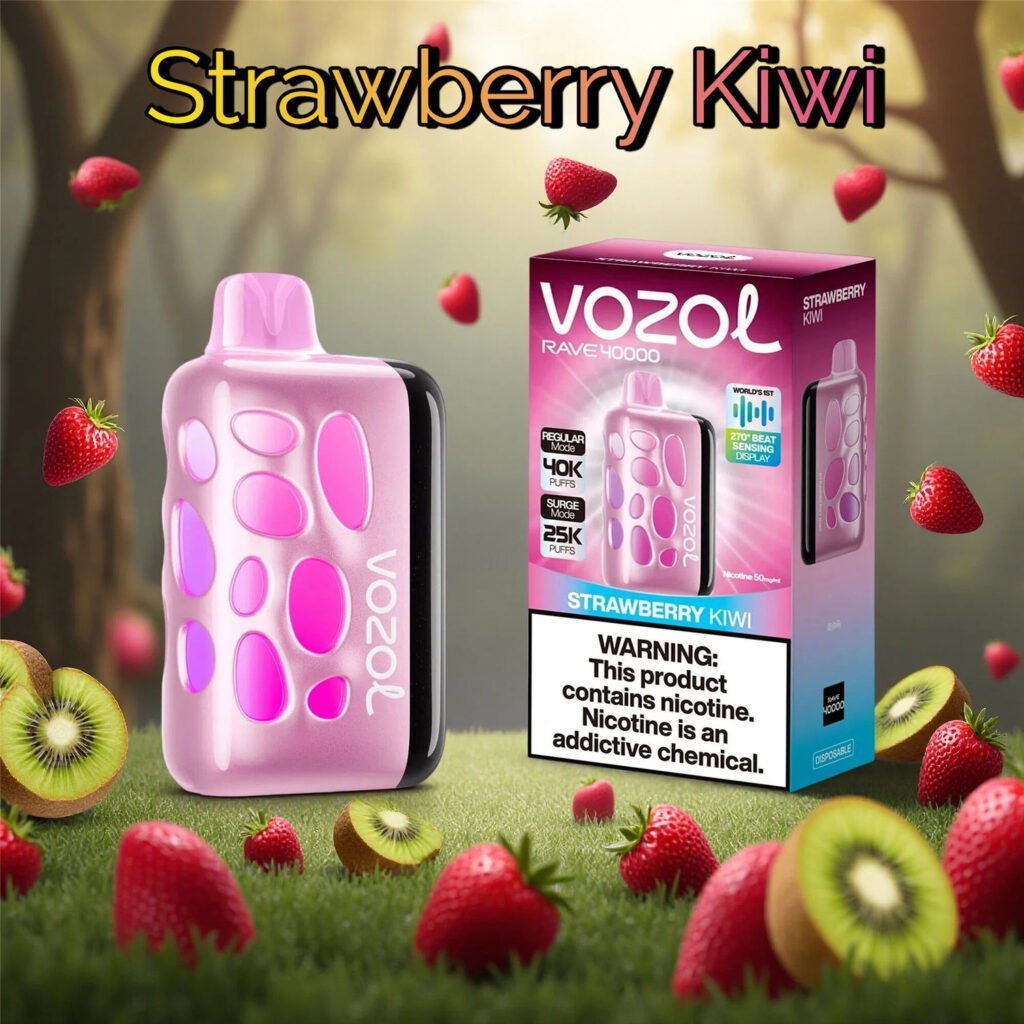
VOZOL Rave 40000 Vape | Dual-Power Modes & Ultra-Fast Charging
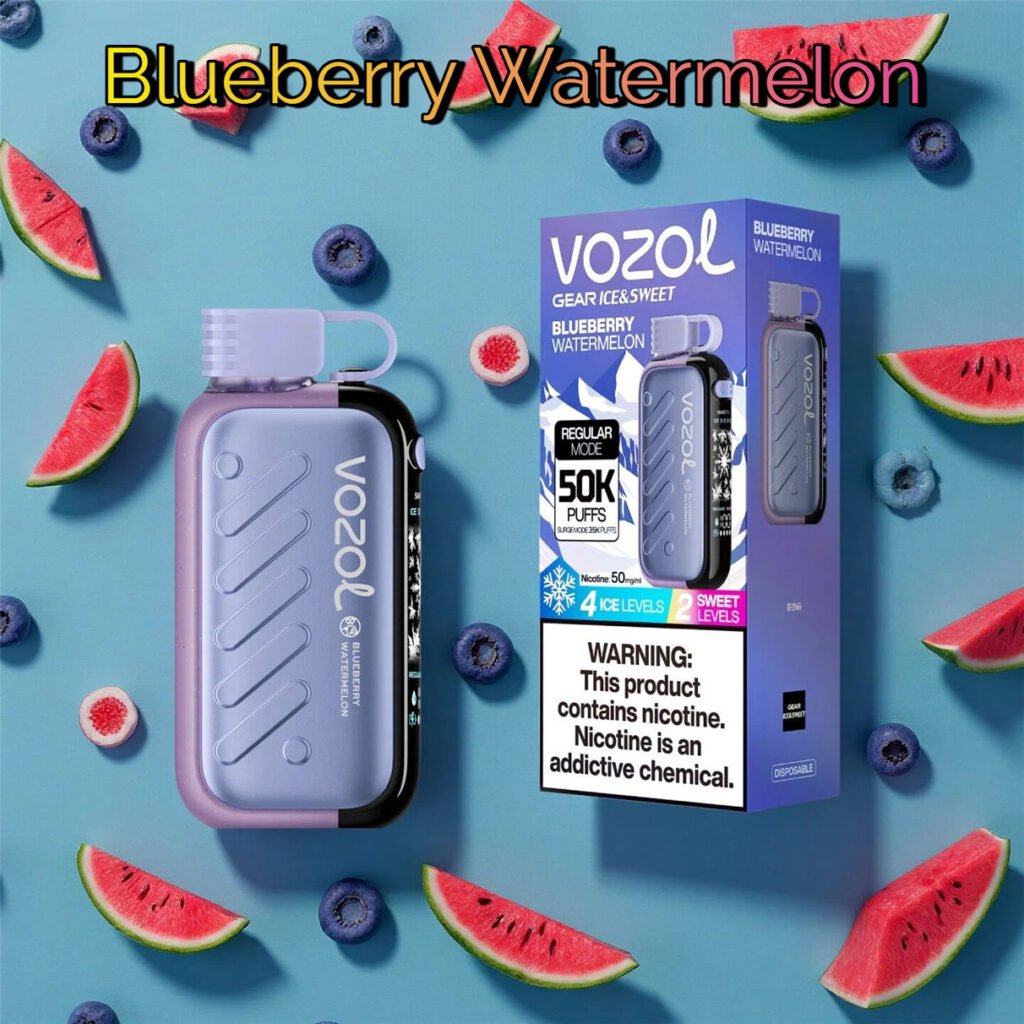
Vozol Gear 50000 | Vozol Gear Ice & Sweet 50K Vape with Adjustable Flavor
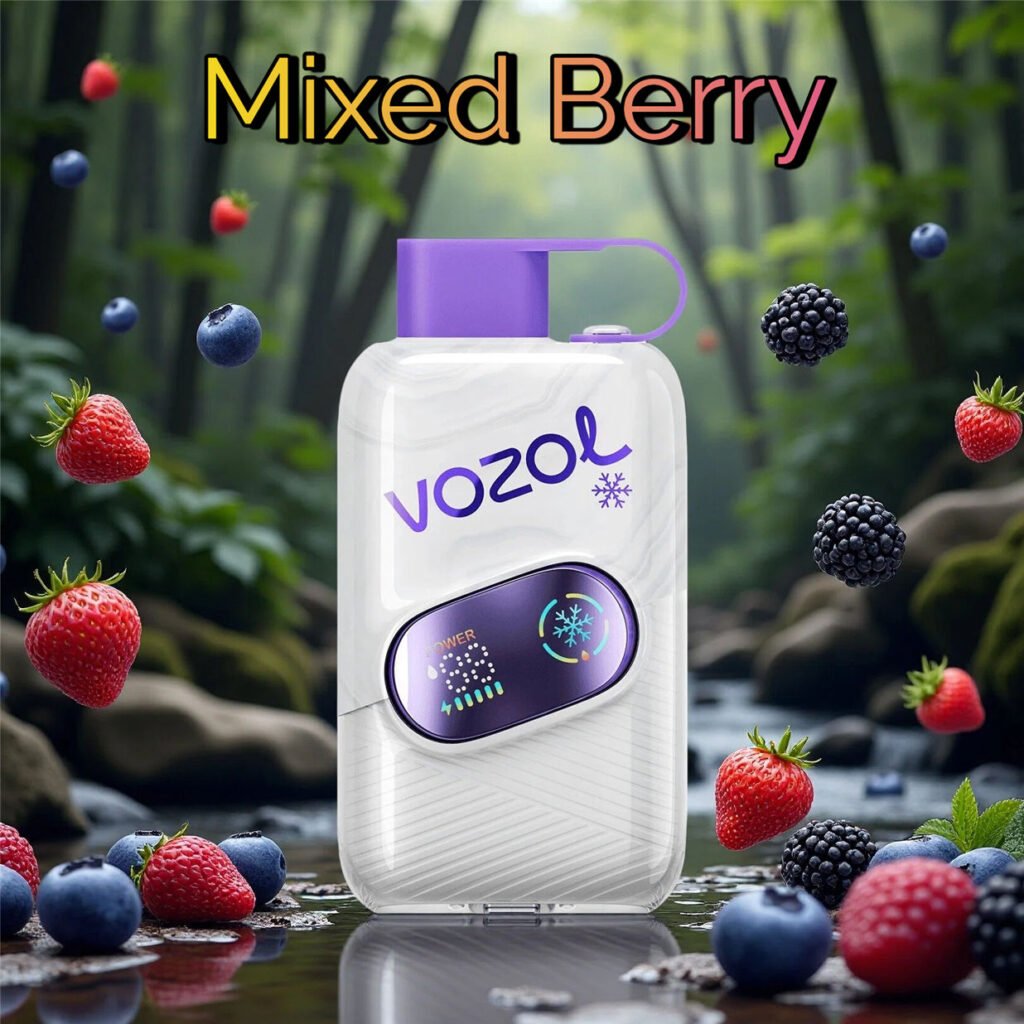
Vozol Star Click 50000 | Adjustable Ice Levels & Dual Power Modes
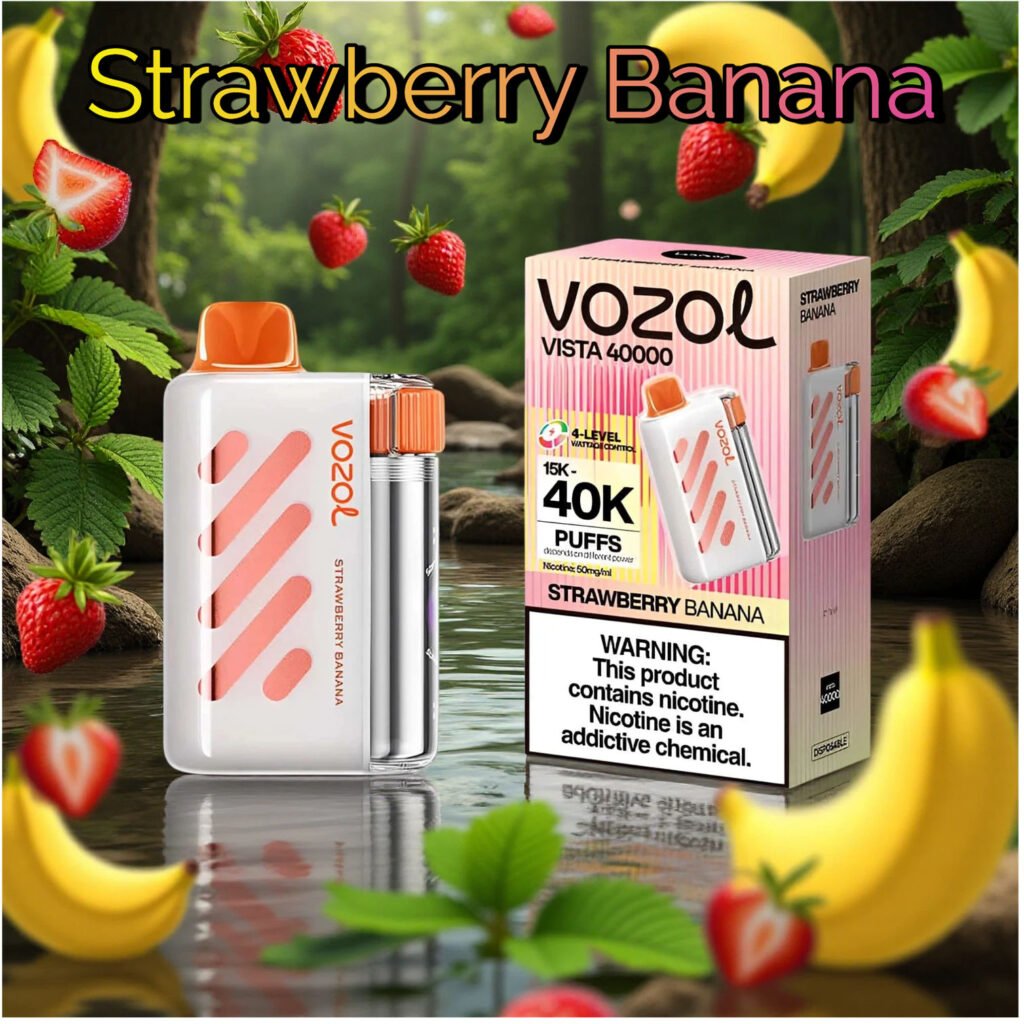
VOZOL Vista 40000 Vape | S.i.L.C. Dual Mesh Coil | 4 Power Modes | Adjustable Airflow
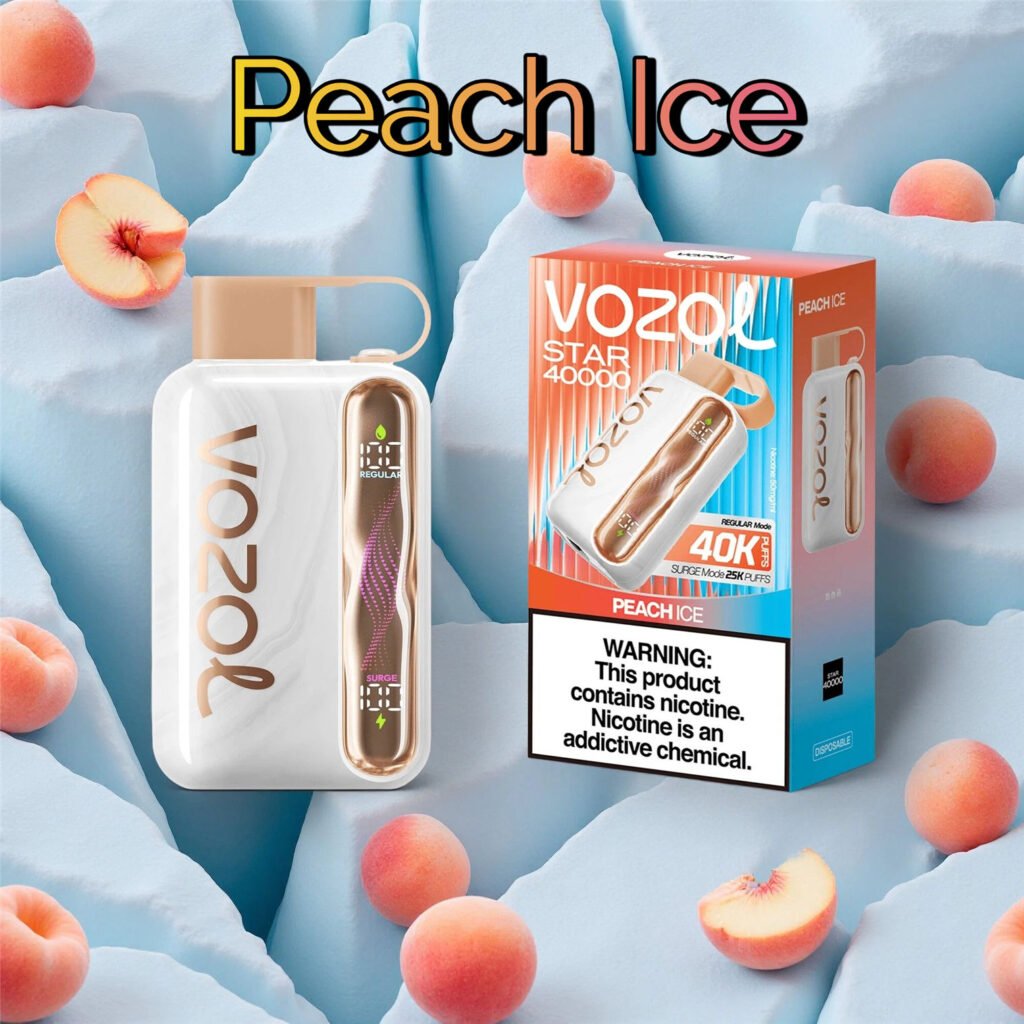
VOZOL Star 40000 Vape | Dual Mesh Coil | 2.2-inch Wavy Curved Screen
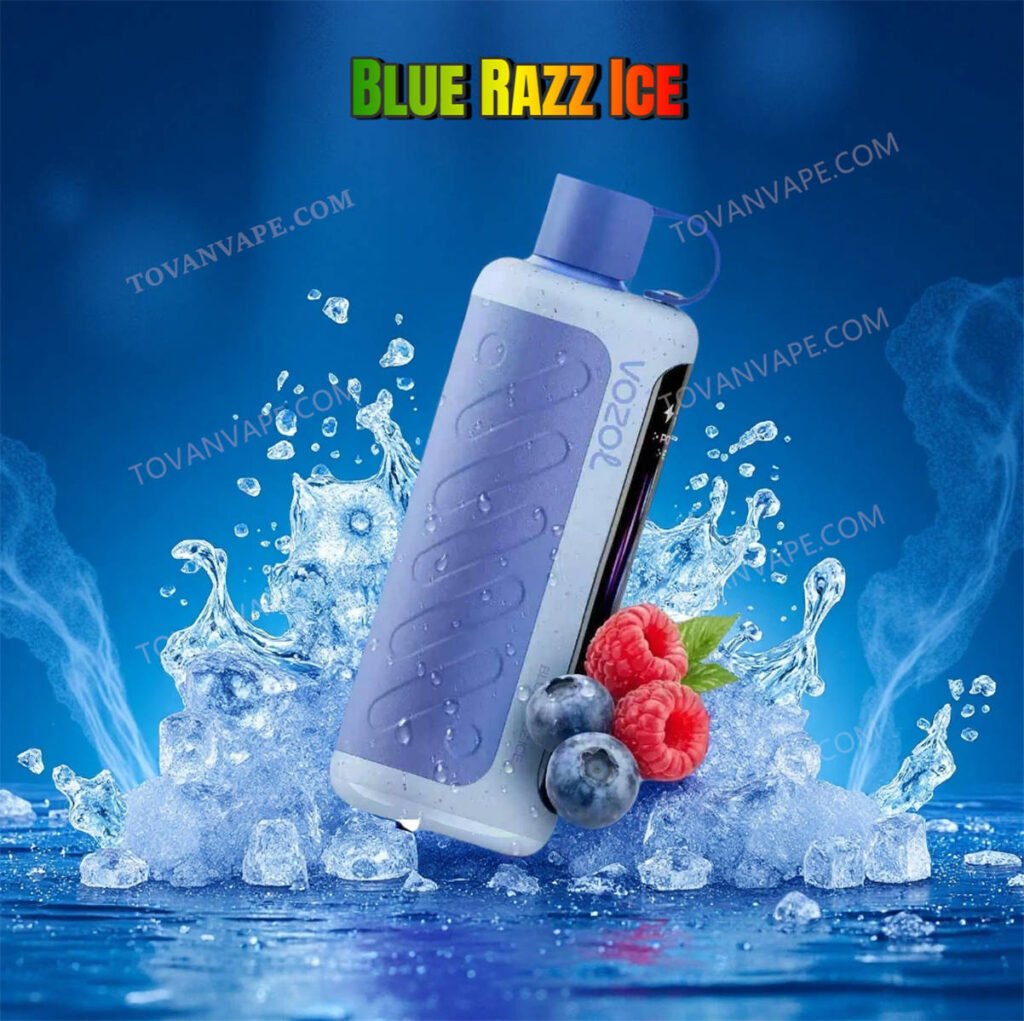
Vozol Gear Hookah 40K Vape (Shisha-Style DTL)
Frequently Asked Questions About Sub-Ohm Vaping

Allen Brooks | TOVANVAPE
Entrepreneur | 10+ Years Vape Industry Expert
As the founder of TOVANVAPE, I have focused on developing and testing premium vapes since 2015.
- Our Mission: To provide high-quality vapes at affordable prices.
- Expertise: Over 10 Years of Industry Experience
- Credibility: 2019 Entrepreneur of the Year
- Professionalism: Member of Harm Reduction Organizations
- Our Promise: Independent Testing & 100% Data Transparency